
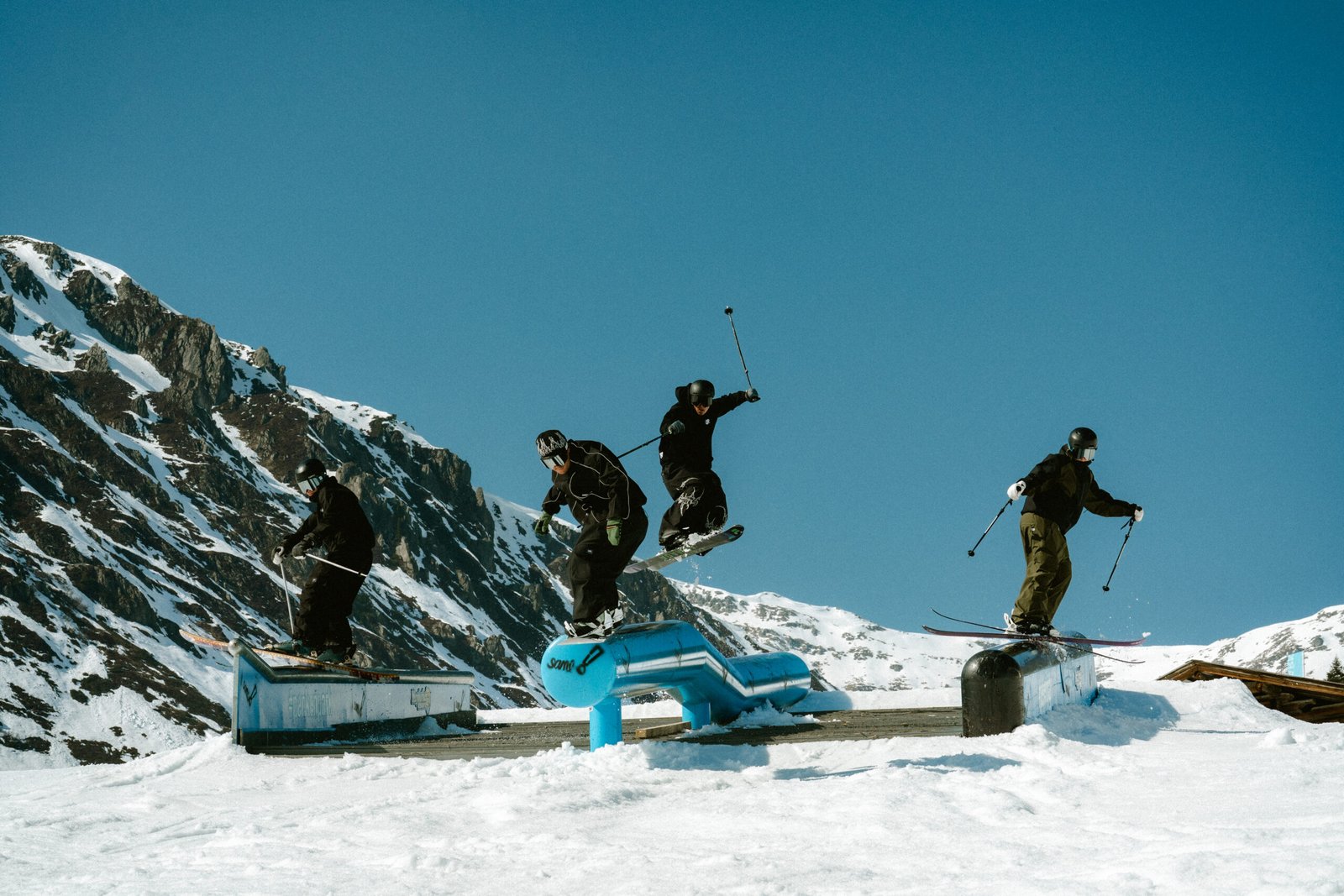
People call it a “TikTok fit” a lot.
That’s a lazy label, and it misses the point.
Baggy snowwear wasn’t in trend. It was the way freestyle is really ridden.
The disciplines of freestyle skiing and snowboarding are still quite young.
Alpine skiing has been around for centuries and became a sport in the early 20th century. On the other hand, snowboarding was not invented until the 1960s and not popularized until the 1980s. Then freestyle skiing took off in the 1990s and early 2000s, when terrain parks and halfpipes became common at resorts.
In the early days snowboarders just wore normal ski clothes; there just wasn’t anything else.
The gear evolved along with the sport. The industry, slowly but surely, began to realize and to make clothes that could keep up with the movement, the impact, and the creativity of modern riding.
Freestyle is going through the same evolution right now.
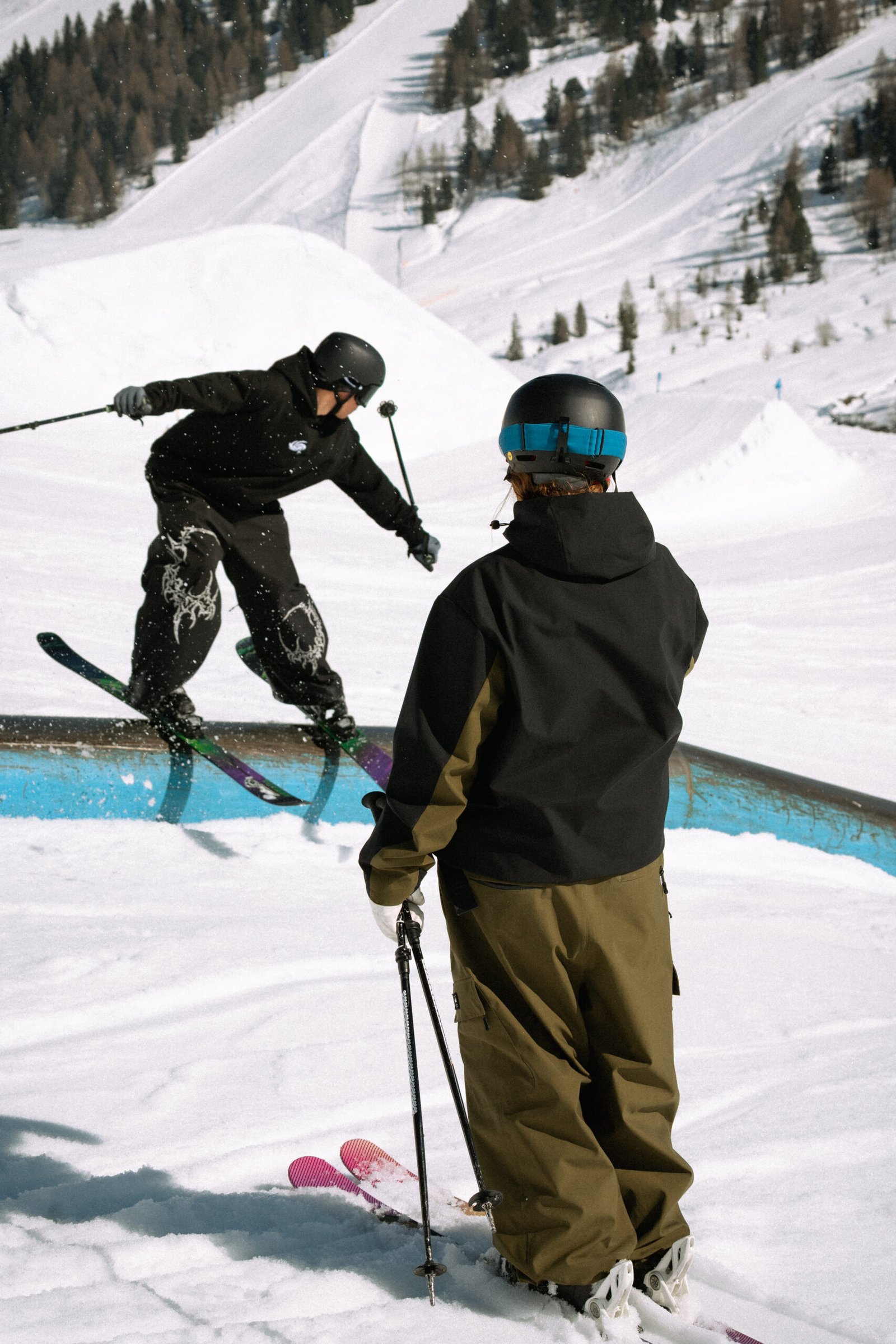
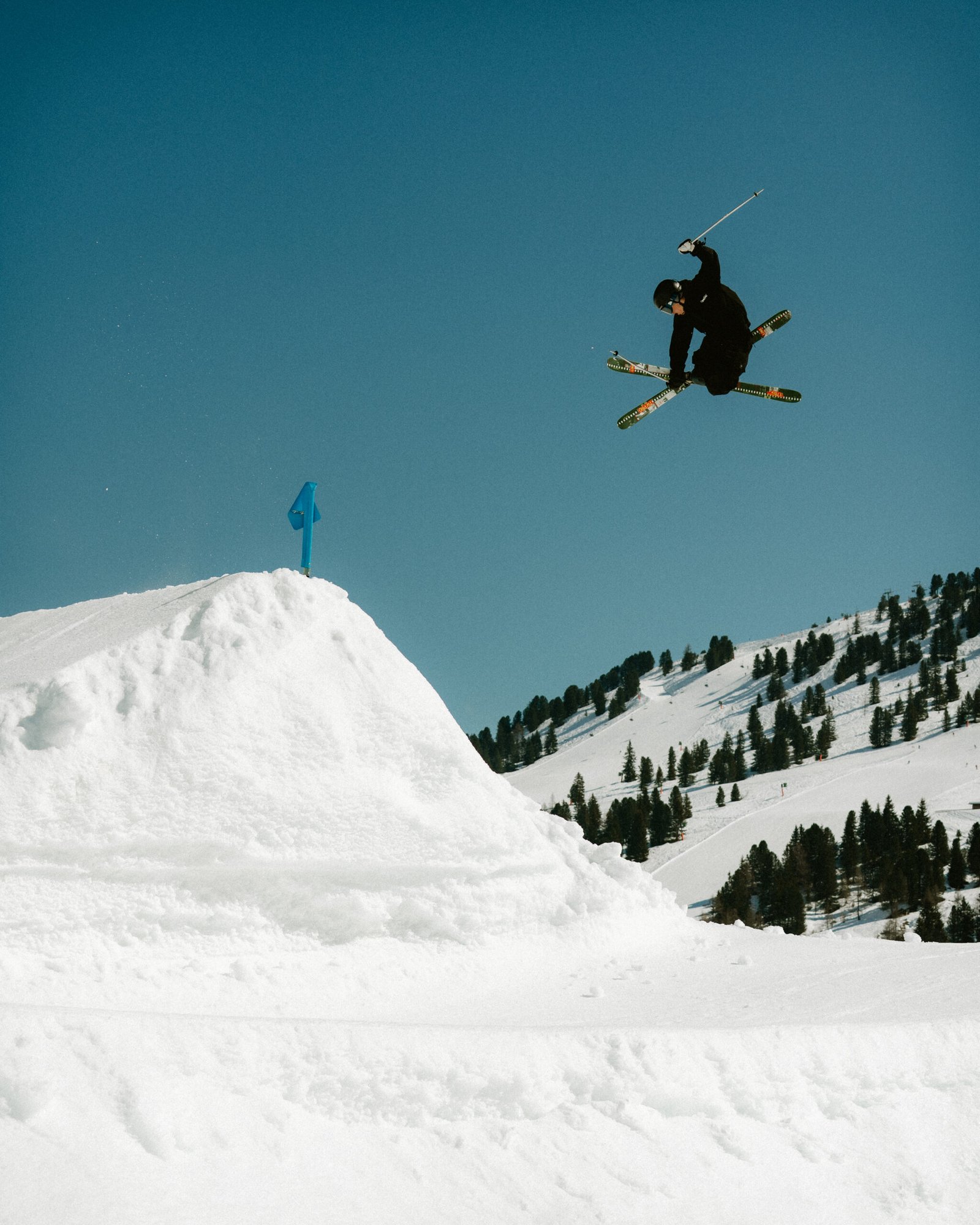
The discipline is better approached as being “oversized” by others’ standards. The loose fit lends itself to layered protection, freedom of movement, and comfort on repeated impacts, all key elements for a park or freestyle setting.
Style followed form, but didn’t end there. Freestyle culture draws heavily on skateboarding and 90s streetwear, where clothes express identity as much as they support performance.
So yeah it may seem different. But that difference shows how the sport has changed.
And the industry is evolving right along with it.
Ninety Roll is a part of that evolution, designing snowwear for how freestyle is ridden today, not how it used to be.
1965 (Sherman Poppen invents the Snurfer) Snowboarding;
Olympic status: Nagano 98
Olympics 1992 Freestyle Skiing Albertville
Explore our freestyle snowwear collection at Ninety Roll.